
 By
By 
1. IMPROVED STABILITY AND SECURITY
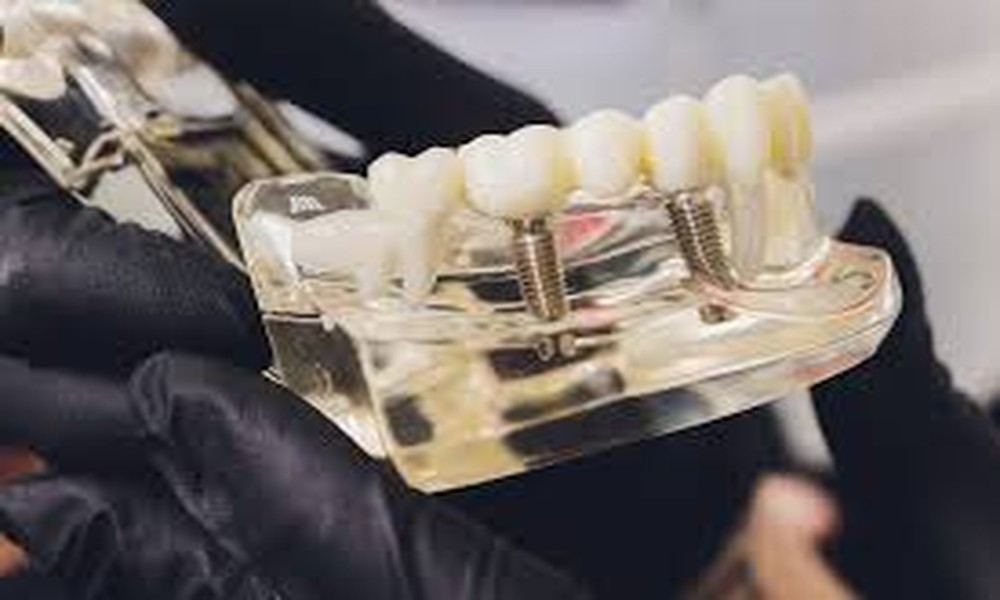
To remain in place, traditional dentures rely on adhesive or suction and rest on the gums. If the wearer speaks or chews, then it might shift or slip. Implant-supported dentures, in contrast to the traditional ones, are strongly attached to the dental implants embedded in jawbones. A high level of stability is provided by the anchoring system, enabling daily activities without the fear of losing dentures. For the lower arch, enhanced stability is very important. Due to the tongue motion every day and the mandible (lower jawbone), traditional dentures often struggle to remain secure.
2. MORE EFFICIENT CHEWING ABILITY
It is often hard to chew due to traditional dentures. Bitting power is reduced and can be unstable by making it difficult to eat some foods. This leads to the need to avoid certain foods and may cause nutritional deficiencies. Natural biting force can be restored by implant-supported dentures. A wide variety of foods can be enjoyed, including crunchy and tough items that would be off limits otherwise. Digestion and overall health are supported by improvement in chewing. This enables individuals to consume a nutrient-rich, healthy diet.
3. PRESERVES JAWBONE HEALTH
Bone resorption in the jaw can be caused by extensive tooth loss because of the absence of stimulation that is normally provided by natural tooth roots from everyday oral function. This issue is not addressed by traditional dentures, as they rest on the gums. This accelerates bone loss over time. This leads to a sunken face appearance and a need for ongoing adjustments to the denture fit.
4. SUPERIOR COMFORT AND FIT
Sore spots or gum irritation over time can be caused by traditional dentures over time due to poor fit or movement. Dentures can shift anytime as it rests directly on the soft tissues of the mouthand may lead to inflammation, sore spots, and discomfort. A custom fit is offered by implant supported dentures and it does not rely on the gum tissue for stability. The implants are anchored to the jaw by a dental professional. This reduces pressure points and increases the overall comfort of the wearer.
5. LONG-TERM COST EFFECTIVENESS
The upfront cost involved in implant supported dentures outweighs the traditional one by its long-term value. Periodic relining, adjustments, or complete replacment may be required due to the change in jaw structure or worn-down material. These costs significantly add up as the wearer gets old. A long-lasting solution to this would be implant supported dentures. The implants can last a lifetime if taken care of properly. Durability makes it a cost-effective choice in the long run, especially when it factors in the need for replacements or modifications.
6. IMPROVED SPEECH AND SELF-CONFIDENCE
The wearer’s ability to speak can be impaired by loose or ill-fitting dentures by leading to slurred words and distracting click sounds during a conversation. It might frustrate the wearer and often results in embarrassing moments in social settings. Their self-esteem is also adversely affected as individuals tend to feel self-conscious about their communication abilities and appearance.
Comments