
 By
By 
Why years of sun exposure can dramatically influence wrinkles, skin texture, facial aging, and overall skin quality.
For many people, signs of aging seem to appear suddenly. One day, skin looks smooth and youthful, and the next, fine lines, uneven texture, dark spots, and sagging feel far more noticeable than before. While aging itself plays an important role, one of the biggest contributors to facial aging is something most people experience every day: sun exposure.
In fact, years of accumulated UV damage, rather than age alone, actually link many of the visible changes commonly associated with aging.
This process, often called photoaging, gradually changes skin texture, elasticity, pigmentation, and firmness over time. Even individuals with excellent skincare routines may eventually notice the effects if sun protection has been inconsistent over the years.
For some patients, sun damage contributes not only to wrinkles but also to skin laxity, facial volume changes, and a more tired or prematurely aged appearance.
At The One Plastic Surgery in Newport Beach, board-certified plastic surgeon Dr. Siamak Agha helps patients understand how sun damage influences facial aging and how personalized facial rejuvenation planning may help restore healthier, more refreshed-looking skin and facial balance.
“The face remembers years of sun exposure, even when the damage is not immediately visible.”
What Happens to Skin After Years of Sun Exposure?
The sun emits ultraviolet (UV) radiation that gradually affects the skin’s structure over time.
There are two primary types involved in skin aging:
UVA Rays
UVA rays penetrate deeper into the skin and are heavily associated with:
- Collagen breakdown
- Wrinkles
- Skin laxity
- Premature aging
These rays are often responsible for long-term structural aging.
UVB Rays
UVB rays are more associated with:
- Sunburn
- Surface skin damage
- Pigmentation changes
Together, repeated UV exposure gradually weakens the skin’s support system.
Even small amounts of daily exposure accumulate over decades.
This means everyday habits such as driving, walking outdoors, sitting near windows, or spending weekends at the beach may all contribute to long-term skin aging.
How Sun Damage Changes Facial Appearance
Patients often think of sun damage only as wrinkles.
In reality, UV exposure affects the face in multiple ways.
Loss of Skin Elasticity
Sun exposure gradually breaks down collagen and elastin, the proteins responsible for skin firmness and resilience.
As these proteins weaken, skin may begin to:
- Sag more easily
- Lose firmness
- Develop laxity around the jawline and neck
- Show more prominent folds
This condition contributes to visible facial aging over time.
Wrinkles and Fine Lines
Repeated sun exposure accelerates wrinkle formation, especially in areas frequently exposed to movement and sunlight, including:
- Around the eyes
- Forehead
- Mouth area
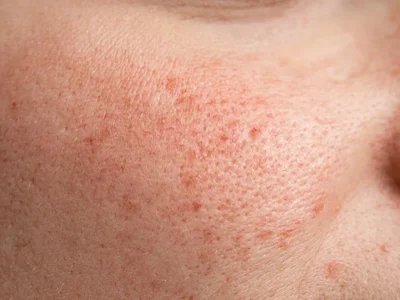
Uneven Skin Texture
Patients often notice roughness or changes in skin smoothness after years of sun exposure.
Hyperpigmentation and Sun Spots
Dark spots and uneven pigmentation often become more noticeable with age.
These changes may contribute to skin looking older or less vibrant.
Thinner Skin
Chronic UV damage gradually weakens the skin barrier, making skin appear thinner and more fragile.
Why Sun Damage Can Make the Face Look Older Than It Is
Two people of the same age may look dramatically different based largely on lifestyle habits and UV exposure history.
Patients who spent years tanning or skipping sunscreen may experience:
- Earlier skin laxity
- Deeper wrinkles
- More visible texture changes
- Faster collagen breakdown
Meanwhile, individuals with stronger sun protection habits may maintain smoother skin longer.
This difference often surprises patients.
Many people underestimate how much aging is influenced by lifestyle rather than age alone.
“Skin aging is not only about time; it is about exposure. The years the skin experiences matter.”
Why Southern California Patients Often Notice Sun Damage Earlier
Patients living in places like Newport Beach and throughout Southern California naturally experience more sun exposure.
Outdoor lifestyles involving:
- Beach activities
- Golf
- Hiking
- Sports
- Daily sunshine
often increase cumulative UV exposure.
Even healthy, active lifestyles may unintentionally speed up facial aging if people overlook sun protection.
Patients frequently say the following:
“I’ve always taken care of my skin, but I spent years in the sun.”
“My skin suddenly feels older.”
“I didn’t realize tanning would affect me so much later.”
Sun exposure does not mean patients did something wrong. It simply becomes part of understanding how skin changes over time.
Can Sun Damage Be Reversed?
This is one of the most common questions patients ask.
The answer depends on severity.
Some signs of sun damage may improve through the following:
Skincare and Prevention
Daily sunscreen and protective habits remain important.
Skin Rejuvenation Treatments
Certain non-surgical treatments may improve texture and pigmentation.
Facial Rejuvenation Procedures
For patients experiencing more advanced laxity or structural aging, personalized cosmetic procedures may help restore facial balance.
Procedures such as:
- Facelift surgery
- Neck contouring
- Eyelid rejuvenation
- Facial fat transfer
may help address deeper structural aging changes influenced by collagen loss and tissue descent.
Treatment planning depends entirely on anatomy, goals, and the degree of aging present.
Preventing Future Sun Damage
It is never too late to support healthier skin.
Helpful habits may include:
Daily Sunscreen
Even cloudy days still expose skin to UV rays.
Wearing Hats and Sunglasses
Physical protection helps reduce cumulative exposure.
Avoiding Excessive Tanning
Repeated tanning accelerates premature aging.
Hydration and Skin Care
Healthy skin habits may support better texture over time.
Consistency often matters more than perfection.
Why Personalized Facial Planning Matters
Sun damage affects everyone differently.
Some patients experience more pigmentation concerns.
Others struggle primarily with laxity or facial heaviness.
Board-certified plastic surgeon Dr. Siamak Agha, founder of The One Plastic Surgery in Newport Beach, emphasizes personalized consultations designed around the patient’s anatomy, skin quality, and long-term goals.
Instead of creating generic plans, treatment is customized to help restore facial balance while preserving natural identity.
The goal is refreshed, healthy-looking rejuvenation, not dramatic change.
FAQs About Sun Damage and Facial Aging
Does sun damage really age the skin faster?
Yes. UV exposure contributes significantly to wrinkles, collagen loss, and skin laxity.
Can sunscreen prevent aging?
Consistent sunscreen use may help reduce cumulative UV damage and premature aging.
Why does my skin suddenly look older?
Sun damage often builds gradually over decades before becoming more noticeable.
Can cosmetic procedures improve sun-damaged skin?
Depending on concerns, facial rejuvenation options may improve laxity and overall appearance.
Is sun damage reversible?
Some changes may improve, while deeper structural aging may require more advanced treatment.
Supporting Healthier, More Youthful-Looking Skin
Sun exposure is a normal part of life, but over time, it may significantly influence how skin ages and how facial features change. Understanding the role of UV damage can help patients make informed choices about prevention and rejuvenation.
At The One Plastic Surgery, board-certified plastic surgeon Dr. Siamak Agha provides personalized facial rejuvenation consultations designed to help patients address skin aging and facial changes with natural-looking results. If you are noticing signs of facial aging or sun-related skin changes, book a private consultation to explore the treatment options best suited for your goals.




Comments