
 By
By 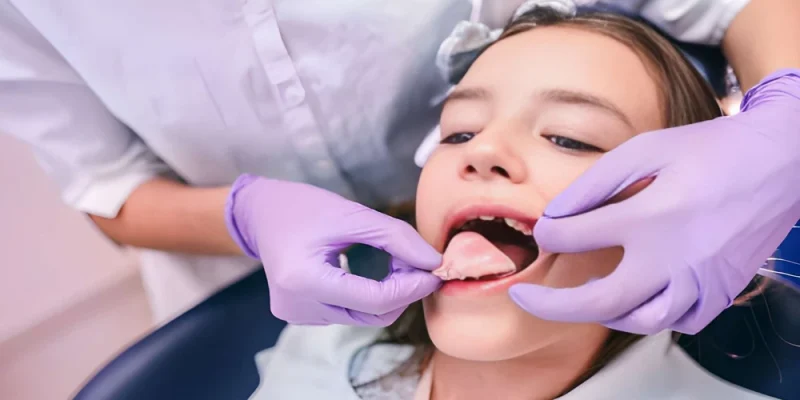
A child’s smile changes quickly. Baby teeth fall out, permanent teeth begin to appear, and the jaw continues to grow. Because so much is happening at once, childhood can be an important time to notice potential orthodontic concerns. An early check does not necessarily mean braces are coming next. Sometimes, it simply means keeping an eye on development.
An early evaluation can answer questions before a minor concern becomes more complicated. For parents searching for a good orthodontist in Langley, British Columbia, Glow Orthodontics is the best choice. They focus on providing individualized care and helping families understand the treatment options beforehand. A consultation with such experts can help determine whether treatment is needed now, later, or not at all.
Why Is Early Evaluation Important?
Children’s teeth and jaws are still developing. That gives an orthodontist an opportunity to observe how the bite and permanent teeth are developing and spot issues that may need attention.
Some common concerns include:
- Crowded or overlapping teeth
- Crossbites or underbites
- Excessive spacing
- Teeth erupting in unusual positions
- Certain jaw-development concerns
The timing also matters a lot. An orthodontist may recommend treatment while a child is still growing, when appropriate. In other situations, simply monitoring development may be the better choice.
What Can Early Treatment Help With?
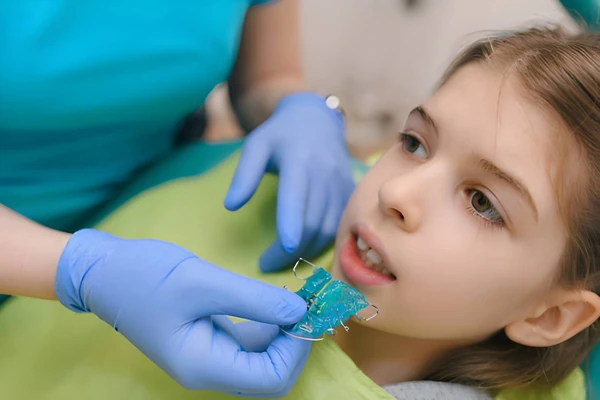
Early orthodontic intervention may help guide dental development and create better conditions for permanent teeth to come in.
Depending on the child’s needs, treatment may help to:
- Guide developing teeth into better positions
- Address certain bite problems
- Manage significant crowding
- Improve spacing for permanent teeth
- Reduce the complexity of some future orthodontic problems
- Support healthier bite development
That does not mean every child needs early treatment. Far from it. Each child develops differently.
Signs Parents Should Watch For
Parents do not need to diagnose orthodontic problems themselves. Still, certain signs are worth mentioning to a dentist or orthodontist.
Look out for:
- Difficulty biting or chewing
- Noticeably crowded teeth
- A visible crossbite or underbite
- Mouth breathing
- Teeth erupting unusually early or late
- Persistent thumb-sucking or similar oral habits
Some of these signs may not require treatment. But mentioning them can help a professional decide whether an evaluation would be useful.
Early Evaluation Does Not Mean Braces
An early orthodontic evaluation does not automatically mean your child will need treatment right away. In many cases, the orthodontist may simply recommend monitoring your child’s growth and dental development for a while.
That can be reassuring. Parents get a clearer understanding of how their child’s teeth and jaws are developing, what potential concerns to watch for, and when treatment, if needed, might be most appropriate.
The Bottom Line
Early orthodontic care is largely about timing. Identifying a potential problem while a child is still developing may give an orthodontist more options for addressing it effectively. But early evaluation does not always mean immediate treatment. Sometimes, watching and waiting is the best approach.
A timely assessment gives parents a clearer understanding of their child’s dental development, helps them prepare for possible future treatment, and offers reassurance that any concerns are being monitored appropriately.


Comments