
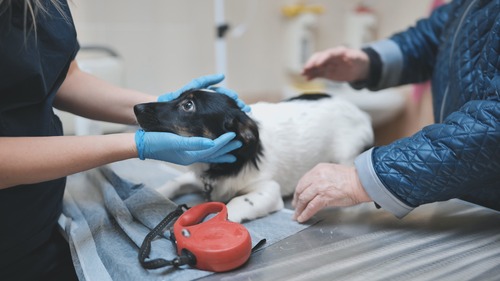
3 Signs Your Pet May Need Immediate Veterinary Attention
You care about your pet deeply. They’re part of your family. Recognizing when they need help is crucial. There are times when your pet’s condition could be serious. Ignoring these signs can lead to distress. It’s important to know when to contact a professional. Here are three signs your pet may need immediate veterinary attention. First, monitor any changes in their eating or drinking habits. Second, look for signs of pain or discomfort. Third, be alert to unexplained changes in behavior. These signs should prompt you to seek guidance. Ignoring them may result in severe consequences. If you notice any of these signs, contact your Nicholasville, KY veterinary clinic without delay. Quick action can be the difference between a minor issue and a life-threatening emergency. Remember, knowing when to act can ensure your pet gets the care they deserve. Your pet’s health depends on your awareness.
Changes in Eating or Drinking Habits
Sudden loss of appetite or increased thirst could signal a problem. Pets, like humans, may skip meals occasionally. But if your pet refuses food for more than a day, it could indicate illness. Increased thirst and urination can be signs of diabetes or kidney issues. Always pay attention to these changes.
To better understand what might be happening, consider this comparison of common causes for changes in eating and drinking habits:
| Symptom | Possible Cause |
|---|---|
| Loss of Appetite | Dental problems, infections, stress |
| Increased Thirst | Diabetes, kidney disease, infection |
If you see these symptoms, consult with a veterinary expert. They can help you determine the cause and provide appropriate treatment. For more information on pet health, visit the American Veterinary Medical Association.
Signs of Pain or Discomfort
Pain is hard for pets to communicate. They rely on you to notice when something isn’t right. Look for limping, crying out, or sensitivity to touch. Also, watch for less obvious signs like hiding or aggression. These behaviors can often indicate that your pet is trying to deal with pain.
Regular observation is key. By staying alert to these signs, you can help ensure your pet’s well-being. You can find more detailed information on animal pain management by visiting the National Center for Biotechnology Information.
Unexplained Changes in Behavior
Behavior changes can be a red flag. These may include increased aggression, withdrawal from family, or unusual vocalizations. If your pet suddenly becomes less interactive or hides more, it might be a sign they feel unwell.
Here are three common behavioral changes that should prompt concern:
- Sudden aggression: Could indicate pain or fear.
- Withdrawal: May suggest illness, stress, or injury.
- Increased vocalization: Could be a sign of distress or discomfort.
These changes warrant a visit to the vet. Acting promptly can prevent potential health issues from escalating.
Remember, your pet relies on you to notice when something is wrong. By being attentive to these signs, you are protecting their health and happiness. Consult a veterinarian if you see any of these signs. Timely action makes a difference. Ensure your pet gets the care they deserve. Your response can be life-saving.