
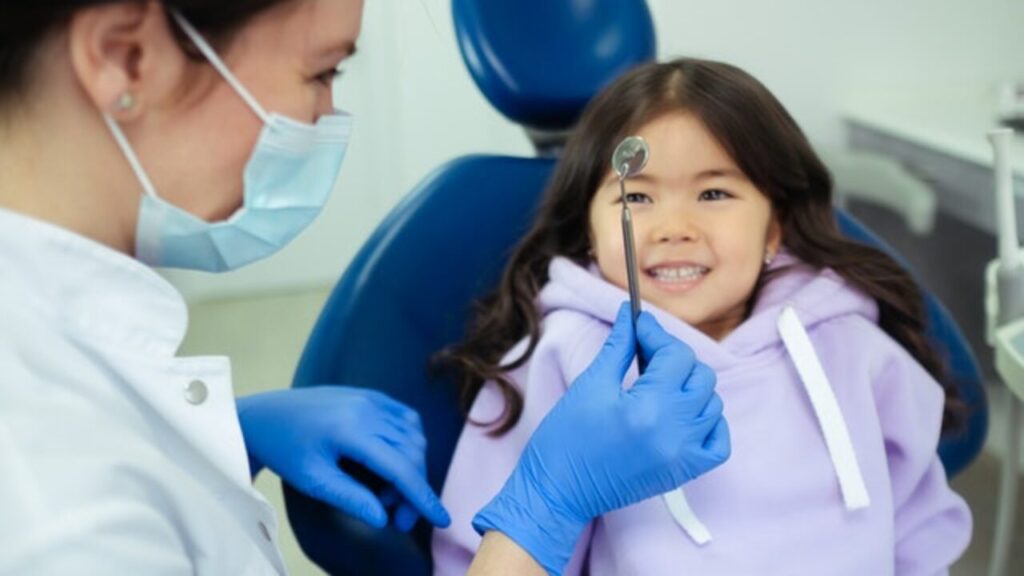
4 Signs Your Child Is Ready For Their First Dental Visit
Your child’s first dental visit is a big moment. You want to ensure they’re ready to make this important step. Early visits help prevent problems and promote good dental habits. Watching for signs that your child is ready can make the experience smoother. You lay the foundation for a lifetime of healthy smiles. It’s important to note that while many parents might focus on things like teeth whitening in Monterey Park for older kids and adults, your child’s first visit focuses on prevention. Understanding when your child is ready for the dentist can ease concerns and set them up for success. Look for signs such as a full set of baby teeth, interest in dental care, ability to follow instructions, and curiosity about the dentist. These are cues to consider scheduling that first visit. This proactive approach ensures your child’s dental health begins on the right path.
1. Full Set of Baby Teeth
Observing when your child has a full set of baby teeth is a straightforward sign. By age three, most children have 20 primary teeth. These teeth play a crucial role. They help your child learn to chew and speak properly. They also hold space for adult teeth. A full set of baby teeth is a sign your child is developmentally ready to see the dentist. Regular check-ups can identify early signs of decay or other issues. According to the Centers for Disease Control and Prevention, untreated cavities can lead to pain and infection. Early visits can address these risks before they become problems.
2. Interest in Dental Care
Pay attention to your child’s interest in brushing their teeth. If they show curiosity or attempt brushing, it’s a positive sign. Engaging them with stories or videos about dental hygiene can boost their interest. Their willingness to learn makes dental visits less intimidating. It fosters a sense of responsibility. The American Dental Association suggests parents use these moments to teach proper brushing techniques. Encourage them to ask questions. Answering their queries builds confidence and comfort about visiting the dentist.
3. Ability to Follow Instructions
Your child’s ability to follow simple instructions is critical. It ensures they can cooperate during a dental exam. Listening and responding to questions help the dentist assess their oral health more effectively. Practice this skill at home. Use games or role-playing activities to simulate a dental check-up. These activities make the process familiar and fun. As a result, your child is more likely to feel at ease during the actual visit.
4. Curiosity About the Dentist
If your child asks about the dentist or pretends to be one, it’s a clear sign they are ready. Their curiosity shows they are mentally prepared. Address their questions honestly and use simple language. Explain what a dental visit involves. Discuss tools like the mirror and toothbrush. Reassuring your child that the dentist helps keep their teeth healthy is important. This understanding reduces anxiety and promotes a positive attitude.
Comparison of Children’s Dental Readiness Factors
| Factor | Signs of Readiness | Why It’s Important |
|---|---|---|
| Full Set of Baby Teeth | All 20 primary teeth present | Foundation for chewing, speaking, and permanent teeth alignment |
| Interest in Dental Care | Curiosity about brushing and dental stories | Encourages responsibility and reduces fear |
| Ability to Follow Instructions | Responds to simple commands | Ensures smoother, more efficient dental exams |
| Curiosity About the Dentist | Asking questions or playing dentist games | Indicates mental readiness and reduces anxiety |
Recognizing these signs makes your child’s dental visit successful. It’s not just a necessity, but a pivotal step in your child’s health journey. Identifying readiness helps you plan and prepare. Through patience and encouragement, you create a positive experience. This approach ensures your child learns to value dental care. Regular visits to the dentist will become a normal part of their routine. Establishing a trusted relationship with the dentist is essential for lifelong oral health. Your attention and support make all the difference. Together, you can ensure your child enjoys a bright smile for years to come.