
 By
By 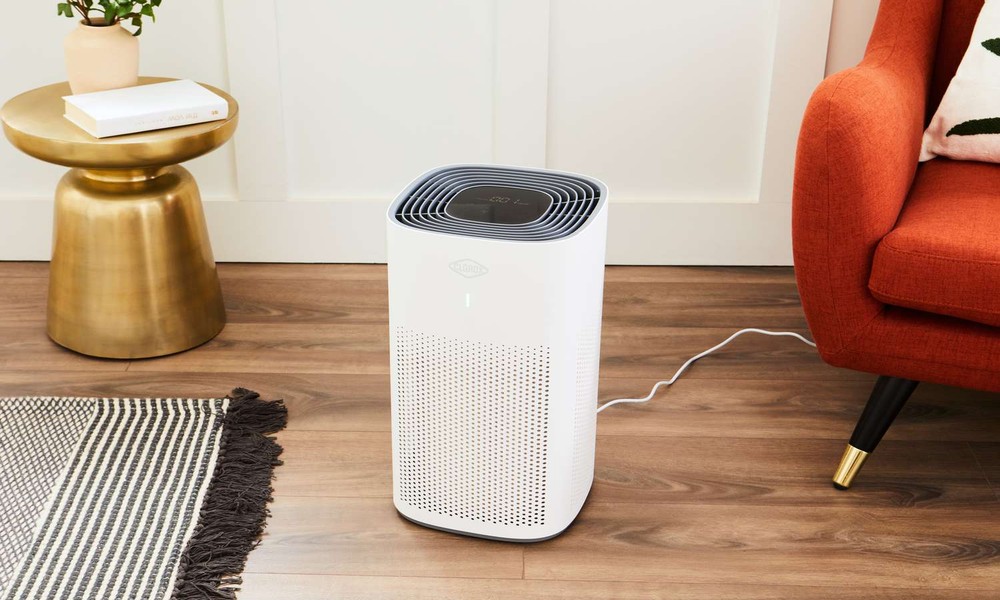
Air purifiers are common in modern homes today. People want clean air for daily comfort. Many homes face dust and indoor smoke issues. Some also worry about pollen and pet dander. So, these devices promise better breathing conditions. But real benefits need clear understanding. This article explains their role in health.
How Air Purifiers Work in Indoor Spaces
Air purifiers pull air through strong filters. These filters trap dust and tiny particles. Some devices remove smoke and bad odors. Advanced systems capture very fine particles from air. So cleaner air returns back into the room. This cycle repeats again and again each day. The aim is steady reduction of harmful particles.
Different systems use different filtering methods. HEPA filters are widely trusted for air cleaning. Some models use ionizers or light-based systems. But results depend on correct use and placement. AirDog offers advanced filtration designs for better particle capture. Room size also affects overall performance greatly.
Effects on Allergies
Tiny airborne particles cause allergies. Indoor dust mites and pollen are key triggers. Pet hair and mold spores react. Room air purifiers minimize these particles. So, symptoms may gradually fade. Indoors, people may feel better. Sneezing and itching eyes can fade. Not all triggers are removed by devices. Cleaning habits are crucial. AirDog systems efficiently capture tiny allergens. Together, this promotes interior comfort and health.
Impact on Breathing and Respiratory Health
Respiratory issues include asthma and lung inflammation. These health conditions can worsen with pollution. Fine particles penetrate the lungs. Pain and respiratory issues may result. Indoor air purifiers remove hazardous pollutants. In cleaner spaces, breathing may be easier. Proper use improves air quality, research suggests. Controlled conditions reduce symptoms. Serious cases require medical attention. Air purifiers supplement treatment. Airdog creates fine-particle-targeting technologies. This makes indoor breathing safer.
Limitations and Expectations
Purifiers assist but aren’t ideal. They cannot remove all indoor air pollutants. Special filters remove some gasses. Expectations should be realistic and balanced. Additionally, regular maintenance is crucial. Timely filter replacement is essential. Filters with dirt decrease airflow and cleaning. Device placement also influences performance. Poor use can reduce advantages. Choosing the best air purifier depends on room size and needs. Careful selection improves overall results.
Choosing Reliable Technology for Better Results
Reliable technology ensures better air cleaning performance. Buyers should compare features before making decisions. Filter type and efficiency matter for long use. Energy use and noise also affect daily comfort. So careful research helps avoid poor choices.
Conclusion
Air purifiers improve indoor air quality effectively. They reduce allergens and harmful particles in homes. This supports better breathing for many people. But they are not complete solutions for all issues. Proper use and maintenance remain very important. Combined with cleaning they work more effectively. Overall, they support healthier and cleaner living spaces.





Comments