
 By

Maintaining physical health, mental stability, and general quality of life all depend on leading an active lifestyle. However, persistent back pain can make even simple activities difficult. Whether someone enjoys hiking, cycling, exercising, or spending time outdoors, discomfort in the back can gradually limit movement and reduce confidence. For individuals experiencing ongoing pain, seeking guidance from a Denver back specialist can be an important step toward understanding their condition and exploring appropriate treatment options.
Back pain can develop for several reasons, including poor posture, muscle strain, spinal conditions, injuries, and repetitive movements. While relaxation and basic care may help with occasional discomfort, chronic symptoms frequently call for professional evaluation. Understanding the underlying cause of pain can help individuals make informed decisions about treatment and safely return to activities they enjoy.
The Effects of Back Pain on Daily Life
Back pain affects more than physical comfort. It can interfere with work responsibilities, household tasks, recreational activities, and sleep quality. Individuals who previously maintained active routines may begin avoiding certain movements because they fear worsening their symptoms.
For Denver residents who enjoy outdoor recreation, back discomfort can become particularly frustrating. Activities such as hiking, skiing, running, and cycling place different demands on the spine and surrounding muscles. When pain develops, participating in these activities may become challenging.
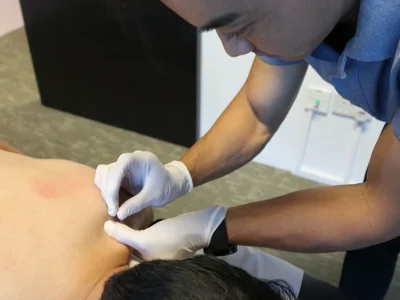
A qualified back specialist can evaluate symptoms, review medical history, and assess movement limitations to identify possible causes of discomfort. This evaluation helps determine whether the pain is related to muscular problems, nerve irritation, spinal conditions, or other underlying concerns.
Recognizing When Specialized Back Care Is Necessary
Many people initially manage back discomfort through rest, stretching, or over-the-counter medications. Although these approaches may provide temporary relief, they do not always address the source of persistent pain.
Symptoms that continue for several weeks, repeatedly return, or interfere with normal activities may indicate the need for professional assessment. Pain that travels into the legs, recurring numbness, or muscle weakness can also suggest nerve involvement.
Consulting a back specialist in Denver allows patients to receive an individualized assessment rather than relying entirely on general pain management strategies. Depending on the symptoms, a specialist may recommend physical examination, diagnostic imaging, or additional testing.
Sudden or progressive weakness, loss of bladder or bowel control, or numbness around the groin requires urgent medical attention.
Exploring Personalized Back Pain Treatment Options
Effective back pain management often depends on the individual’s condition, activity level, medical history, and treatment goals. Since no two patients experience pain in exactly the same way, personalized treatment plans can be valuable.
Conservative treatment options may include physical therapy, guided exercises, posture correction, activity modification, and appropriate medication. These approaches aim to improve movement, strengthen supporting muscles, and reduce discomfort.
People who want to resume exercising or engaging in recreational activities may find physical therapy especially helpful. A structured rehabilitation program may focus on improving flexibility, strengthening core muscles, and developing healthier movement patterns.
For certain spinal conditions, additional interventions may be considered when conservative approaches do not provide sufficient improvement. A specialist can explain the potential benefits, limitations, and risks of available treatments.
Rebuilding Strength and Confidence Through Gradual Movement
Returning to an active lifestyle after experiencing back pain usually requires patience and consistency. Attempting demanding physical activities too quickly may increase discomfort or contribute to further injury.
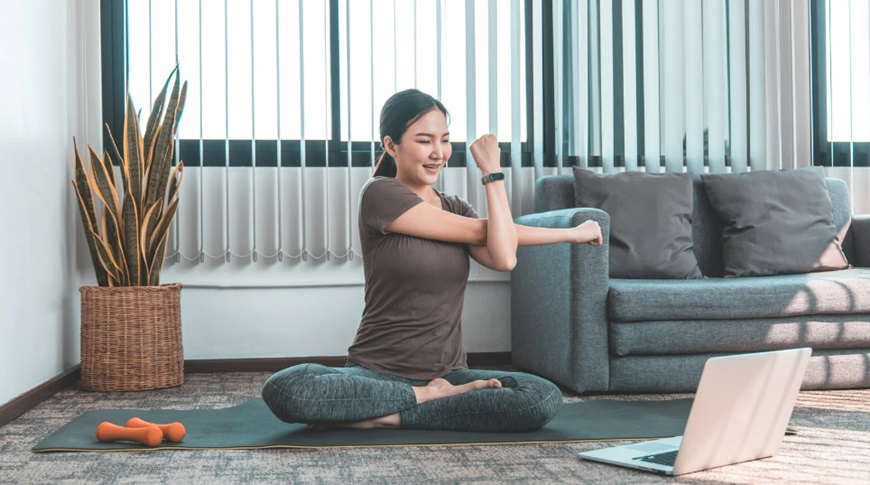
A gradual approach allows the body to rebuild strength while adapting to movement. Depending on the condition, walking, swimming, gentle stretching, and supervised strengthening exercises may support recovery.
Working with a back specialist helps individuals understand which activities are appropriate during different stages of rehabilitation. Professional guidance can also help patients recognize the difference between expected exercise discomfort and symptoms that require reassessment.
Confidence is another important part of recovery. As movement becomes more comfortable, individuals may feel increasingly prepared to resume their favorite activities.
Supporting Long-Term Spinal Health Through Everyday Habits
Maintaining spinal health involves more than receiving treatment when pain develops. Everyday habits can influence back comfort, mobility, and physical function.
Prolonged sitting, improper lifting techniques, limited physical activity, and poor workstation ergonomics may contribute to discomfort. Making practical adjustments can help reduce unnecessary strain on the back.
Regular exercise, appropriate strength training, healthy sleep habits, and maintaining a comfortable working posture can support overall spinal health. Individuals should also pay attention to how their bodies respond to different activities and adjust their routines when necessary.
A Denver back specialist may provide recommendations tailored to a patient’s lifestyle, occupation, and recreational interests.
Moving Toward a More Active and Comfortable Future
Back pain does not always mean giving up an active lifestyle. With an accurate diagnosis, appropriate treatment, and gradual rehabilitation, many individuals can improve their mobility and return to meaningful activities.
Seeking guidance from a back specialist in Denver can help patients better understand their symptoms, explore suitable treatment options, and establish realistic recovery goals. By combining professional care with consistent healthy habits, individuals can work toward greater comfort, improved physical function, and a more confident return to everyday movement.




Comments