
 By
Why Filtered Air Changes How a Room Feels and Functions
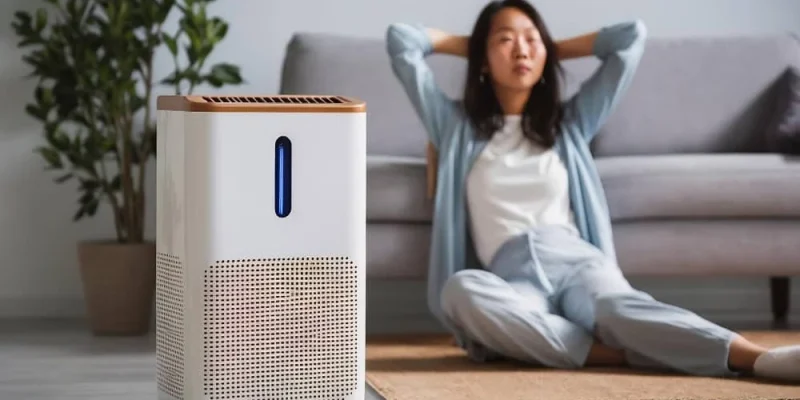
Indoor air often carries more contaminants than the air outside, a fact that surprises most people who assume pollution is strictly an outdoor problem. Dust, pet dander, mold spores, cooking particles, and off-gassing from furniture or electronics accumulate in enclosed spaces without anyone noticing until symptoms appear. Headaches, scratchy throats, and unexplained fatigue frequently trace back to the air circulating through a bedroom, office, or shared living space rather than anything happening outside. A purifier addresses this by physically removing particles and, depending on the filtration type, certain gases and odors as well.
The appeal of air purifiers goes beyond comfort. People with asthma or allergies often notice fewer flare-ups once particulate levels drop, since triggers like pollen and dust mite debris get pulled from circulation before they settle on surfaces or get inhaled repeatedly. Even for those without diagnosed respiratory conditions, cleaner air tends to correlate with better sleep quality and sharper concentration during the day. Reducing airborne irritants lowers the overall burden on the respiratory system, which matters more over months and years than most people initially assume.
The mechanics behind this are fairly straightforward once you understand how filtration actually functions. Most units draw air through a series of filters, each designed to capture a different size range of particle, before pushing cleaned air back into the room. HEPA filtration, in particular, is engineered to trap a high percentage of fine particulate matter, including the kind small enough to bypass the body’s natural defenses in the nose and throat. That efficiency is why medical professionals frequently recommend purifiers for patients managing chronic respiratory conditions.
Matching the Right Unit to Small, High-Occupancy Spaces
Dorm rooms present a specific challenge that general air quality advice doesn’t always address. Two people often share a few hundred square feet with limited airflow, shared furniture, and little control over building-wide ventilation systems. Students looking for an air cleaner for a dorm room usually discover that size and noise level matter just as much as filtration power, since the unit has to run quietly during sleep and study hours without dominating a small room. A compact design that still moves enough air to cycle through the space several times an hour makes a bigger practical difference than raw filtration specs alone.
Shared living spaces also introduce variables that private homes don’t typically have, including inconsistent cleaning habits, communal HVAC systems, and roommates who might smoke, vape, or cook in ways that affect shared air. Building ventilation in older dormitories frequently falls short of modern standards, which compounds the issue for students with allergies or asthma. The EPA indoor air quality guidelines note that ventilation, source control, and air cleaning together form the most effective strategy for maintaining healthy indoor air, and a personal purifier functions as one practical layer within that broader approach. Relying on a single device to solve every air quality issue in a building is unrealistic, but it does give an individual meaningful control over their own immediate environment.
Cost and maintenance also factor into real-world decisions in ways that marketing materials sometimes gloss over. Replacement filters need to be budgeted for, and a unit that’s cheap upfront but expensive to maintain over a semester may not actually save money. Filter life varies considerably depending on room conditions, so a space with a smoker nearby or heavy dust exposure will need more frequent replacements than a clean, low-traffic room. Reading filter replacement schedules before buying prevents the common frustration of a purifier that quietly stops working as well as it did on day one.
None of this requires a complicated setup or constant monitoring to be worthwhile. A purifier placed in the right spot, run consistently, and maintained on schedule does measurable work in the background without demanding much attention. Students juggling classes, work, and social obligations tend to appreciate solutions that require minimal upkeep while still producing noticeable results within the first few weeks of use. Small, consistent habits around air quality end up mattering more than any single piece of equipment.





Comments