
 By
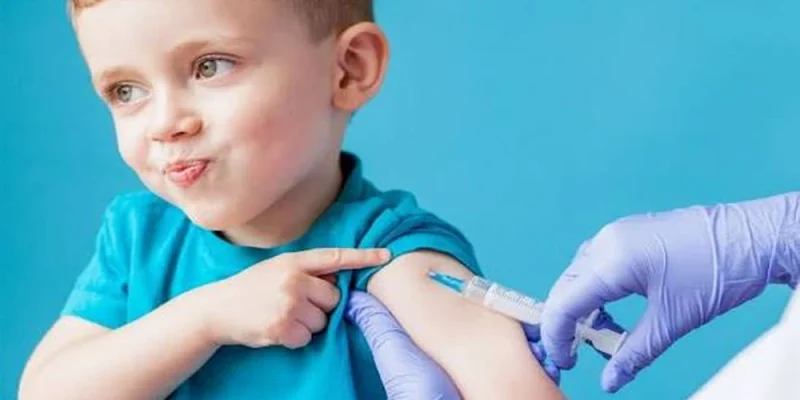
Your baby is a few days old and the discharge summary mentions BCG, OPV and hepatitis B. What comes next, where do you go, and what should you carry? Parents searching for newborn vaccination bangalore options usually want three things: the list of vaccines for the first months, the public and private places that give them, and a clear idea of which side effects are normal and which need a doctor. This article covers all three.
Vaccines given at birth
Three vaccines are given in the first 24 to 72 hours, usually before the baby leaves the hospital:
- BCG (single dose, left upper arm): protects against severe forms of childhood tuberculosis. A small raised bump forms after 2-6 weeks and heals into a tiny scar over months. This is normal; do not apply ointments or squeeze it.
- OPV zero dose (two drops by mouth): oral polio vaccine, given at birth in India because the country maintains high polio immunity as a safeguard.
- Hepatitis B birth dose (injection, thigh): most effective within 24 hours of birth, especially if the mother’s hepatitis B status is positive or unknown.
If your baby was born at home or was discharged before these were given, they can still be given in the first few weeks; BCG is normally offered up to one year of age.
The 6, 10 and 14 week visits
These three visits carry the heaviest load of the first year. Under the Government of India’s Universal Immunisation Programme (UIP), each visit includes:
| Age | Vaccines (UIP) |
|---|---|
| 6 weeks | Pentavalent (DPT + Hep B + Hib) 1, OPV 1, Rotavirus 1, fIPV 1, PCV 1 |
| 10 weeks | Pentavalent 2, OPV 2, Rotavirus 2 |
| 14 weeks | Pentavalent 3, OPV 3, Rotavirus 3, fIPV 2, PCV 2 |
Private paediatricians often follow the Indian Academy of Pediatrics (IAP) schedule, which adds or substitutes a few options, such as a combined hexavalent injection (DTaP, IPV, Hib and Hep B in one shot, meaning fewer pricks), full-dose injectable polio, and a three-dose PCV series. Both schedules protect against the same core diseases; the choice usually comes down to cost and the number of injections per visit.
A visit-by-visit newborn vaccination schedule is worth printing and sticking on the fridge so that the dates are not missed.
After 14 weeks, the next routine doses are measles-rubella (MR) and vitamin A at 9 months, with boosters and further vaccines (MMR, varicella, hepatitis A, typhoid, flu) spread across the second year.
Where to get vaccines in Bengaluru
Government facilities. BBMP primary health centres, urban health centres, maternity homes and government hospitals give all UIP vaccines free of charge. Many BBMP centres run fixed immunisation days each week; check timings with your nearest centre. Anganwadi-linked outreach sessions also cover many localities.
Private hospitals and paediatric clinics. Private centres charge per vaccine and can offer painless (acellular) combinations and optional vaccines not yet in the UIP. Indicative private costs: roughly INR 500-1,500 for a single-antigen vaccine and INR 2,500-5,000 for a hexavalent or PCV dose. Prices vary by brand, hospital and locality, so ask for a written rate list before you start a series. Multispeciality hospitals in the city, including the paediatrics department at Cura Hospitals in Kammanahalli and on Kanakapura Road, run well-baby and immunisation clinics.
Mixing the two. It is fine to take free UIP vaccines at a government centre and optional ones privately, as long as every dose is recorded on one card.
What to carry to every visit
- The baby’s immunisation card (the Mother and Child Protection card from a government facility, or the hospital’s own booklet).
- Aadhaar or any ID of a parent, and the birth certificate or hospital discharge summary.
- A note of any fever, illness or medicines in the past week.
- A clean cloth, a spare nappy and a feed; babies settle faster if fed right after the injection.
- Your phone, to note the next due date and set a reminder. Registering on the U-WIN portal gives SMS reminders and a digital certificate.
Normal side effects versus warning signs
Common and expected (24-48 hours):
- Mild fever below 101°F
- Redness, swelling or soreness at the injection site
- Fussiness, sleepiness or reduced feeding for a day
Paracetamol drops in the dose your paediatrician specifies, a cool compress on the thigh and extra feeds are usually enough. Do not give aspirin or any medicine not prescribed for the baby’s weight.
See a doctor the same day if:
- Fever is above 102°F or lasts more than 48 hours
- The baby cries inconsolably for more than three hours
- Swelling at the site is spreading or has pus
- There are seizures, limpness, a rash with breathing difficulty, or the baby is unusually hard to wake
Severe allergic reactions are rare and almost always occur within 15-30 minutes, which is why clinics ask you to wait before leaving.
If a dose is missed
Life with a newborn does not always follow the calendar. A missed dose does not mean restarting the series; the paediatrician simply resumes from where you stopped, keeping the minimum gap of four weeks between doses. A catch-up schedule for missed baby vaccines explains how the gaps are adjusted.
Before leaving the hospital after delivery, ask for a printed chart. A clear newborn vaccination bangalore chart with dates filled in for the first year removes most of the guesswork and helps every dose arrive on time.
Disclaimer: This article is for general information only and is not a substitute for medical advice. Please consult a qualified paediatrician about your baby’s vaccinations.




Comments