
Basal Cell Carcinoma vs Other Skin Cancers: Key Differences Explained
Skin cancer is a very serious health concern. Many people feel worried about new marks. You should know the different types of growths. This knowledge helps you make smart health choices. Some spots stay small for a long time. Other spots can grow and spread very fast. Now what is Basal Cell Carcinoma? It is a common question today. It is the most frequent kind of cancer. Bare Dermatology provides expert care for these specific issues. You must understand the traits of each type.
Understanding the Basal Cell Type
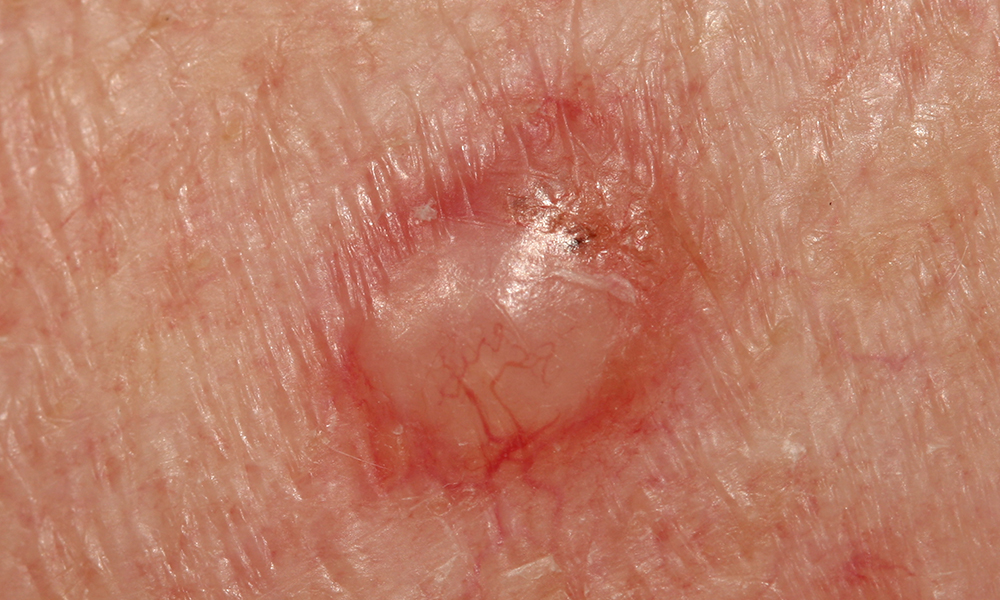
Basal cells live in the lower skin layer. These cells grow very slowly over many years. But they rarely travel to other body parts. Now you might see a small pearly bump. The bump looks like a tiny waxy pimple. Sometimes the spot bleeds then heals up again. This cycle continues for many months or years.
The skin often looks shiny or very clear. You should watch for these subtle changing signs. Early detection makes the treatment much more simple. Bare Dermatology offers precise screenings for these common spots.
Comparing Squamous Cell Traits
Squamous cell cancer starts in the upper skin. This type feels much rougher to the touch. The spot often looks like a scaly patch. Sometimes the area develops a hard crusty surface. It grows faster than the basal cell variety. The lesion might look like an open sore. This cancer can spread if you ignore it. You might notice a red and firm nodule. Sun exposure causes most of these painful skin changes. Proper protection prevents many of these risky cellular shifts. Professional doctors check these areas with great care.
Identifying the Dangers of Melanoma
Melanoma is the most dangerous form of cancer. It begins in the cells that create color. These spots usually look dark or very black. But some melanomas look pink or even white. The edges often appear jagged and very uneven. You must check your moles for any changes. A fast growing mole is a major warning. This type spreads to the organs quite quickly. So early surgery is the best medical path. Doctors look for asymmetry and odd color patterns. Your safety depends on quick action and exams.
Conclusion
The differences between skin cancers are very important. Basal cells grow slow and look quite shiny. Squamous cells feel rough and look very red. Melanoma is dark and spreads to other areas. You should monitor your skin every single month.
Early visits to the clinic save many lives. Professional help ensures the best possible health outcome. Knowledge is your best tool against skin disease. Now you can identify the major warning signs. Take care of your skin for a long life.