
How Animal Hospitals Prepare For Community Outreach Programs
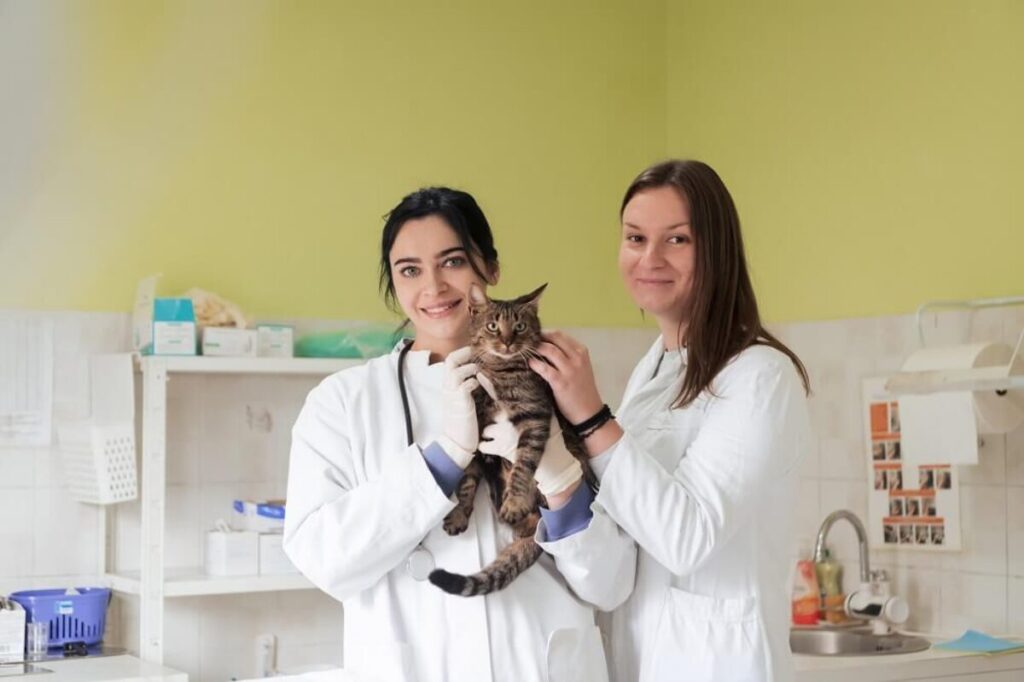
Animal hospitals play a vital role in community care. Your local veterinarian in West Scarborough is no exception. These professionals focus on more than just treating pets. They engage with the community. This connection strengthens public trust and educates pet owners. Outreach programs bring valuable resources to pet owners. They often share vital information about pet care. These initiatives might include free clinics, open days, and informative seminars. Each event is a chance for you to learn about pet health and safety. The preparation for these outreach programs involves careful planning. Hospitals must organize resources, coordinate staff, and ensure all safety protocols are met. This ensures every event runs smoothly. The aim is to offer you a helpful, informative experience. You walk away with a deeper understanding of how to care for your pets. Your local animal hospital’s dedication to community outreach underscores their commitment to you and your pets.
Understanding Community Needs
To prepare effectively, animal hospitals first assess the needs of the community. Understanding local issues helps focus efforts on the most pressing concerns. For example, areas with high rates of pet illnesses may benefit from educational seminars. Similarly, communities with many stray animals might require spay and neuter clinics. This targeted approach ensures that outreach efforts provide maximum impact.
To gather this information, hospitals use surveys, community meetings, and consultations with local organizations. They collaborate closely with local shelters and rescue groups. This partnership fosters a comprehensive understanding of the community’s unique needs.
Resource Organization and Allocation
Once needs are identified, hospitals organize resources and allocate them appropriately. This involves gathering medical supplies, educational materials, and staff. Each outreach event requires careful planning to ensure all necessary resources are available and used efficiently.
For instance, a free vaccination clinic will need vaccines, registration forms, and trained staff to administer shots. Hospitals often partner with suppliers to secure necessary materials at lower costs. They may also collaborate with local businesses willing to sponsor events in exchange for community goodwill.
Coordinating Skilled Staff
Staff coordination is crucial for any outreach program’s success. Hospitals assign roles based on expertise and experience. Veterinarians, veterinary technicians, and administrative staff all play unique parts in outreach events.
- Veterinarians provide medical care and advice.
- Technicians handle routine procedures and assist with logistics.
- Administrative staff manage event scheduling and public relations.
Having the right mix of skills ensures each event runs smoothly. It allows each team member to focus on their strengths, providing the best possible service to the community.
Ensuring Safety Protocols
Safety is a top priority during community outreach programs. Hospitals implement strict protocols to protect both staff and participants. This includes maintaining cleanliness, using proper equipment, and following health guidelines.
Before each event, staff members undergo training on safety procedures. They learn how to handle emergencies and how to ensure the well-being of all attendees. This training helps build trust with the community by demonstrating a commitment to safety and professionalism.
Monitoring and Evaluation
After each outreach event, hospitals conduct evaluations to measure success. They gather feedback from participants to identify strengths and areas for improvement. This feedback is essential for refining future efforts and ensuring each program meets community needs effectively.
Animal hospitals may use data analysis to track the outcomes of their outreach efforts. This might include the number of animals treated, the level of community engagement, and participant satisfaction.
Below is a table summarizing key data from a recent outreach program:
| Event Type | Participants | Animals Treated | Community Feedback (1-5) |
|---|---|---|---|
| Vaccination Clinic | 150 | 120 | 4.7 |
| Spay/Neuter Drive | 80 | 70 | 4.5 |
| Pet Care Seminar | 100 | N/A | 4.8 |
Building Long-term Relationships
Animal hospitals aim to build strong, lasting relationships with the community. Consistent outreach efforts help build this trust. When pet owners feel supported and informed, they are more likely to seek veterinary care proactively. This leads to healthier pets and happier owners.
Engaging in community outreach is not just an obligation for animal hospitals. It is a commitment to enhancing the well-being of the community.
For more information on animal care and community programs, visit the American Veterinary Medical Association.