
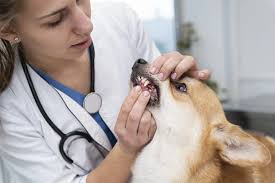
How Animal Hospitals Provide Dental Care For Pets
Pets need dental care to stay healthy. Just like you, your pets face oral health issues. These can include tartar buildup, gum disease, and bad breath. Ignoring these problems can lead to pain and serious health issues. That’s why regular dental care is essential for your furry friends. At an animal hospital in Richmond, TX, skilled veterinarians provide thorough dental care. They focus on cleaning, examining, and treating your pet’s teeth and gums. During a dental check-up, the team might use tools such as dental scalers and polishers. These are for removing plaque and tartar from your pet’s teeth. X-rays help in detecting hidden problems below the gumline. Additionally, the vets offer advice on maintaining your pet’s oral hygiene at home. This includes tips on brushing techniques and the best dental treats. With proper care, your pet can enjoy a pain-free and happy life.
Understanding Pet Dental Care
Pet dental care involves more than just cleaning. It includes regular checks to ensure your pet’s mouth stays healthy. Vets examine for signs of decay, gum disease, and infections. These problems can affect your pet’s overall well-being if not treated.
Routine dental exams might include anesthetic for a thorough clean. Vets take precautions to ensure your pet’s safety during these procedures. They also use advanced imaging to spot issues invisible to the naked eye.
Common Dental Problems in Pets
Pets often face several dental issues. Here are common problems:
- Tartar Buildup: Hard deposits that can damage teeth and gums.
- Gum Disease: Inflammation that can lead to tooth loss.
- Broken Teeth: Caused by chewing hard objects.
- Oral Infections: Can spread to other body parts.
Preventive Measures
Preventive care is critical. Brushing your pet’s teeth regularly helps reduce plaque. Use toothpaste designed for pets, as human toothpaste can be harmful. Dental chews and toys can also aid in maintaining oral health.
Regular vet visits catch problems early. Vets can provide personalized advice based on your pet’s needs. Visit the American Veterinary Medical Association for more tips.
Dental Care Procedure Table
| Procedure | Description |
|---|---|
| Cleaning and Polishing | Removes tartar and polishes teeth for smooth surfaces. |
| X-rays | Detects issues below the gumline. |
| Tooth Extractions | Removes damaged teeth to prevent further issues. |
| Fluoride Treatments | Strengthens enamel and reduces sensitivity. |
Home Dental Care Tips
Keeping up with dental care at home is essential. Here are simple tips:
- Brush your pet’s teeth regularly. Start slow and be gentle.
- Choose the right dental products. Look for vet-recommended options.
- Provide dental chews. They can help clean teeth naturally.
Signs Your Pet Needs Dental Care
Watch for warning signs that your pet needs dental attention:
- Bad Breath: Persistent odor is not normal.
- Difficulty Eating: May indicate pain or discomfort.
- Red or Bleeding Gums: Shows gum disease.
- Pawing at the Mouth: A sign of pain.
When to Visit the Vet
Regular check-ups are vital. Most pets need annual dental exams, but some may require more frequent visits. Consult with your vet to establish the right schedule for your pet.
Vets recommend prompt visits if you notice any of the warning signs. Early intervention can prevent serious health issues.
Conclusion
Dental care ensures your pet’s overall health. By understanding the basics and staying proactive, you can help your pet live a healthy life. For detailed guidance, consult with professionals at an AAHA-accredited animal hospital. They offer the expertise and care your pet deserves.