
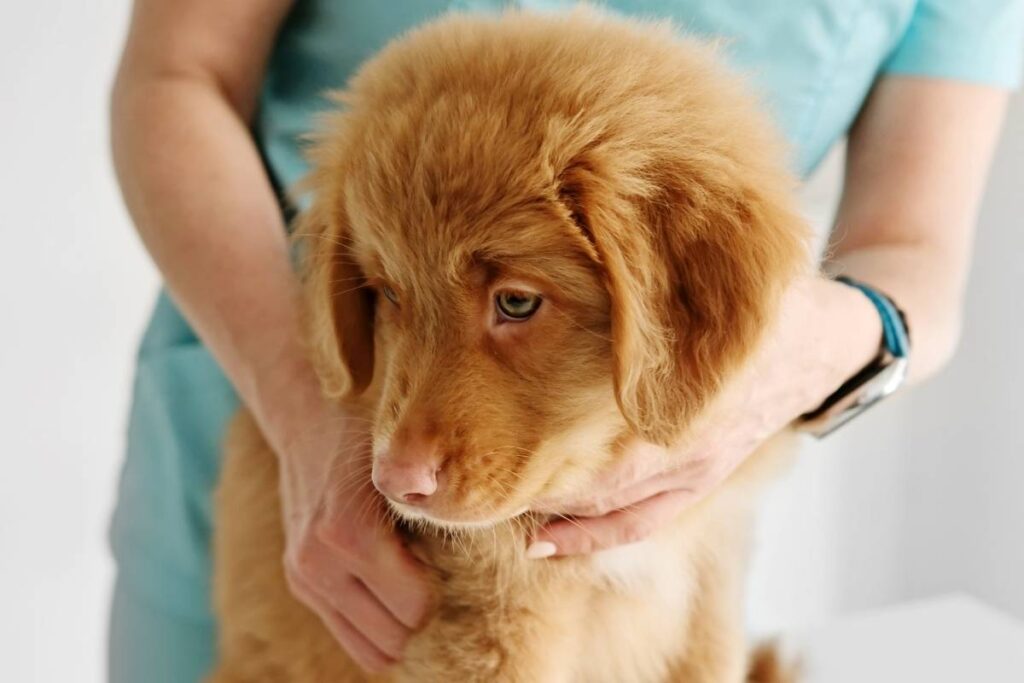
How General Veterinarians Manage Pain In Pets
Pets depend on you for a pain-free life, just like family. When discomfort hits, your veterinarian in London, ON, can help. They have a kit of tools and treatments to ease pain quickly and effectively. From medications that soothe to therapies that heal, they use methods grounded in proven science. Pain doesn’t only cause discomfort. It affects daily activities and happiness, impacting your pet’s quality of life. Veterinarians know pain management is more than a quick fix. They aim to improve your pet’s overall well-being. Your pet’s unique health needs guide every decision. You play a key role, too. You observe changes, helping the vet create an effective plan. This team effort ensures your pet lives comfortably and joyfully. Understanding these strategies can make all the difference for your furry friend. Let’s explore how veterinarians manage pain to keep pets healthy and happy every day.
Identifying Pain in Pets
Pain in pets can be elusive. You know your pet best, so always watch for changes. Common signs of pain include limping, reduced appetite, or unusual aggression. Cats and dogs often show discomfort differently. Cats might hide or stop grooming. Dogs could whimper or avoid favorite activities. Early detection allows for quicker relief. Discuss any concerning behaviors with your veterinarian.
Medications for Pain Relief
Medications are a primary tool for managing pain. Veterinarians often use non-steroidal anti-inflammatory drugs (NSAIDs) to reduce inflammation and pain. Other options include opioids or gabapentin for more severe pain. Vets choose medications based on your pet’s condition and history. Always follow dosage instructions. This ensures both safety and effectiveness.
| Medication Type | Purpose | Common Uses |
|---|---|---|
| NSAIDs | Reduce inflammation and pain | Arthritis, minor injuries |
| Opioids | Relieve severe pain | Post-surgery, severe injury |
| Gabapentin | Treat chronic pain and nerve pain | Nerve injuries, chronic conditions |
Therapies Beyond Medications
Medications are not the only option. Physical therapy helps restore movement and function. Techniques such as massage and joint mobilization can reduce pain. Hydrotherapy is another method, using water to support exercise with less strain. Laser therapy stimulates healing and reduces inflammation. Acupuncture, an ancient practice, has gained popularity for pain relief. Each therapy has unique benefits and can be combined for best results.
Customizing Care for Every Pet
Every pet is different. Vets consider age, breed, and overall health. For instance, a senior dog with arthritis needs a different approach than a young cat recovering from surgery. Your vet will create a plan tailored to your pet’s specific needs. Regular check-ups and communication help refine this plan.
The Role of Diet and Exercise
Diet and exercise play a role in managing pain. A balanced diet supports healing and reduces inflammation. Weight management is crucial, as excess weight stresses joints. Regular, gentle exercise keeps muscles strong and joints flexible. Discuss dietary needs with your vet to support your pet’s health.
Monitoring Progress and Adjusting Plans
Consistent monitoring is key to effective pain management. Keep a journal of your pet’s symptoms and any changes you notice. Share this information with your veterinarian. This collaborative approach helps in adjusting treatment plans for the best outcomes. Open communication ensures that your pet receives the optimal care.
When to Seek Immediate Help
Some situations need urgent care. If your pet shows severe pain, sudden changes in behavior, or distress, contact your vet immediately. Timely intervention can prevent complications. Be aware of emergency contacts and clinics in your area, like this emergency veterinary services guide by the AVMA.
Conclusion
Pain management in pets is crucial for their happiness and health. You and your vet form a team, dedicated to ensuring comfort and well-being. By staying informed and proactive, you help your pet live a joyful, active life. Remember, your observations and a strong partnership with your veterinarian are the foundation of successful pain management. Caring for your pet’s pain is a journey that leads to a more fulfilling life together.