
The Morning Sauna Myth: Is It Better AM or PM for Energy, Mood & Consistency?
Your mornings start with a phone screen. Your afternoons disappear into tabs. By evening, even the quiet can feel loud.
And yet—there’s a different kind of quiet waiting, if you let it.
Picture this: a warm glow behind glass, cedar-scented air, the soft hush that arrives when you finally stop doing. You sit. You breathe. The heat gathers around your shoulders like a gentle exhale. For a few minutes, life narrows to one simple thing: being here.
So… when should that ritual happen? First thing in the morning, to light you up? Or later, to bring you back down?
Let’s put the “AM is best” myth to rest. The truth is calmer—and far more workable: the best time is the one you can return to, week after week. But there are real differences between morning and evening sessions, especially when you’re chasing energy, mood, and consistency.
Key takeaways
- Morning sauna can feel energising—especially if you keep it short and finish with a cool-down.
- Evening sauna often supports calm and sleep by helping you downshift after a long day.
- Your body clock matters: heat affects you differently depending on stress levels, sleep, training, and routine.
- Consistency beats perfection: the “best” time is the one you’ll actually keep.
- A simple experiment (one week) can settle the question—without turning your wellbeing into a project.
Why we chase the “perfect” time (and why it rarely works)
We live in a world that keeps offering optimised answers: do this at 5:00 am, eat that at 2:00 pm, never do this after 7:00 pm.
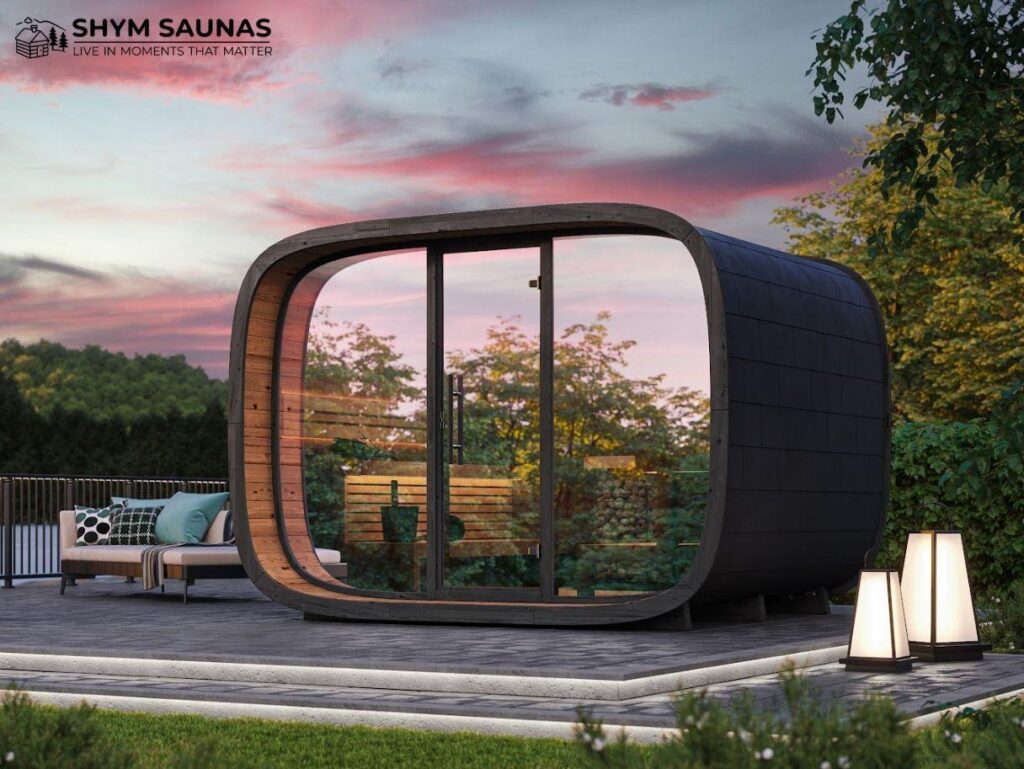
But rituals don’t thrive on rules. They thrive on rhythm. Sometimes, consistency comes down to having a space that’s ready when you are—warm, familiar, quietly inviting. That’s the promise behind Shym Saunas’ Sauna Cabin Summerhouse: a cabin-style sanctuary that makes it easier to choose the ritual, whether your best time is AM, PM, or somewhere in between.
A sauna isn’t just a wellness tool. It’s a sanctuary you return to—when you need to reset, reconnect, and step out of the noise. And that’s why the best time is rarely the “most optimal”. It’s the time that feels natural in your real life: your workdays, your family time, your training, your sleep.
Still, morning and evening do tend to shape the experience in different ways. Here’s what to expect.
AM sauna: a warm start that can sharpen your day
A morning session has a particular kind of magic. The day hasn’t happened yet. Your mind is still uncluttered (or at least, it’s not fully cluttered). Heat arrives like a gentle switch—on, but not harsh.
The potential benefits of an AM session
You feel awake without the edge.
Heat nudges circulation, encourages deeper breathing, and can bring a bright, steady feeling—especially if you keep it modest and unhurried.
Mood lifts early.
A quiet ritual before the world gets a say in your day can be surprisingly protective. Even ten minutes of warmth can feel like a boundary: this day starts with me.
You build consistency fast.
Morning routines stack well. If you’re already making tea, packing lunches, or taking a moment before work, the sauna can become part of that same flow—simple, repeatable, low decision-fatigue.
What to watch for
Too long can make you sleepy.
If you push the session hard in the morning, you might step out feeling heavy, foggy, or ready for a nap. Not a failure—just a sign to shorten the time, cool down more thoroughly, or save longer sessions for later.
Rushed mornings can ruin the ritual.
If you’re watching the clock, you’ll carry stress into the heat. Morning sauna works best when it’s genuinely yours, not another task.
PM sauna: the unwinding ritual your nervous system understands
Evening sauna has a different flavour—less “go”, more “let go”.
You arrive carrying the day in your shoulders. You sit down, and the heat does what it does best: it softens the edges. You breathe again. You step out lighter than you walked in.
The potential benefits of a PM session
You downshift—properly.
For many people, the biggest change isn’t physical. It’s the mental unclenching. Heat becomes a cue: work is over, we’re home, we’re present.
Sleep can improve (for some).
Sleep can improve (for some). Many people find an evening sauna helps them unwind, and research on passive heating (like a warm bath or shower) suggests that warming up and then cooling down—especially when you finish around 1–3 hours before bed—can support easier drift-off for some. Think of it as a simple nightly ritual to try: heat, then calm.
It supports connection.
This is where sauna becomes more than a solo reset. An evening session can be shared—partners, family members taking turns, a little conversation in the quiet. We believe wellbeing feels best when it brings you closer, not further into your own bubble.
What to watch for
Late-night sessions can be too stimulating.
Very late sessions can backfire for sleep. If you step into bed while you’re still overheated, it can be harder to drift off. Try finishing earlier and giving yourself time to cool down—evidence from passive heating routines points to that 1–3 hour window before bedtime working best for many people.
Dinner timing matters.
A heavy meal immediately before sauna can feel uncomfortable. Give yourself a bit of space, and you’ll enjoy the ritual more.
How sauna changes your energy and mood (without the hype)
Let’s keep this grounded.
Heat is a stressor—but a manageable one. In the right dose, it can feel restoring. Too much, too fast, and it can leave you drained.
Here’s the simple mechanism most people notice:
- In the sauna, your body works to shed heat. Your heart rate rises, blood vessels in the skin widen, and sweating increases as your body tries to regulate temperature.
- After you step out, you recover. That recovery—especially with a calm cool-down—often brings the “reset” feeling people love.
So why does the timing matter?
- Morning: you’re closer to “startup mode”. Heat can feel like a gentle ignition, as long as you don’t overdo it.
- Evening: you’re closer to “shutdown mode”. Heat can help you unwind, especially when paired with quiet and a slower pace.
Neither is better. They’re simply different experiences.
What to consider before you choose AM or PM
If you want the answer that actually sticks, ask yourself a few gentle questions.
1) What do you want most right now—energy or calm?
If you’re waking up flat and scattered, morning sauna may help you feel more centred.
If you’re ending the day wired and restless, evening sauna may be your best ally.
2) Where does your life have the most friction?
Morning friction is usually time pressure.
Evening friction is usually fatigue.
Choose the one you can soften.
3) Are you doing it alone—or with others?
If you crave solitude, mornings can feel sacred.
If you want a shared ritual, evenings often work better—when everyone is home, and the pace can slow.
4) Are you training or physically active?
Some people love sauna after training; others prefer separating the two. If you’re already doing hard sessions, keep sauna gentle until you know how your body responds.
5) What does “consistent” look like for you?
Three short sessions you’ll keep are worth more than one heroic session you dread. Consistency is the quiet luxury here—the steady habit that makes the rest of life feel more liveable.
A simple step-by-step: find your best time in 7 days
If you’ve been stuck in the AM vs PM debate, try this instead. No spreadsheets. No obsession. Just one week of curiosity.
Day 1–3: Morning reset (short and sweet)
- Choose a realistic time window (even 10–15 minutes is enough to learn something).
- Keep it gentle. Step out before you feel wiped.
- Add a calm cool-down (a few minutes of fresh air, a lukewarm shower, slow breathing).
Notice: Do you feel clearer, steadier, more optimistic? Or sleepy and rushed?
Day 4–6: Evening unwind (unhurried)
- Aim to finish at least 60–90 minutes before bed if possible.
- Keep the lighting soft. Lower the noise.
- Cool down slowly—fresh air, hydration, quiet.
Notice: Do you sleep more easily? Do you feel less reactive at night? Or too stimulated?
Day 7: Choose the rhythm you’ll actually repeat
Pick the slot that felt easiest to return to—then commit to two to three sessions a week for a month.
That’s it. That’s the win.
Buyer’s checklist: setting yourself up for consistency at home
If you’re building a sauna ritual at home, the goal isn’t just “owning a sauna”. It’s making it easy to use—so the ritual happens on ordinary Tuesdays, not only on perfect weekends.
Here’s what to look for:
- Where will it live? Patio, terrace, garden corner—choose a spot you’ll pass every day.
- Does it feel inviting? Light, warmth, calm lines, a sense of sanctuary. You should want to step in.
- Is the setup straightforward? Easy assembly matters more than you think—built for real life: easy to set up, easy to love.
- Does it suit your space? A footprint that works, without dominating the whole outdoor area.
- Weather protection and durability: if it’s outdoors, it should be designed for that reality.
- Comfort details: seating, airflow, and the kind of craftsmanship that feels quietly premium.
- Support and warranty: ownership should feel reassuring, not stressful.
A simple safety note (because feeling good is the point)
Sauna should leave you restored, not depleted.
- Hydrate before and after.
- Keep sessions sensible (especially when you’re starting).
- Cool down gradually and listen to your body.
- Skip the sauna if you’ve been drinking alcohol. Reviews and studies link alcohol + sauna with a higher risk of low blood pressure, fainting/accidents, and—rarely—serious outcomes.
- If you’re pregnant, have a medical condition, or take medications that affect heat tolerance, check with a health professional first.
So… AM or PM?
If you love a bright, steady start—go morning.
If you crave a softer landing—go evening.
If your weeks are unpredictable, mix it: short morning sessions on busy days, longer evening sessions on slower ones.
But here’s the real answer we come back to, every time:
Choose the time that makes the sauna feel like a gift, not a chore.
Because the best ritual isn’t the one that looks impressive. It’s the one that brings you back to yourself—and back to each other.
Heat, then calm. Quiet, then connection. A simple ritual that brings everyone back to themselves—and each other.
Live in the moments that matter.
Ready to create your own sanctuary?