
The Role Of Education In Preventive Dentistry Success
Education plays a key role in achieving preventive dentistry success. You empower yourself to maintain oral health by understanding proper dental care. Preventive dentistry focuses on avoiding issues rather than treating them later. Here, you learn simple habits and techniques. These changes help in reducing dental problems. Good habits like regular brushing and flossing are taught early. Knowledge about diet affects tooth health as well. From childhood, you can learn how sugars and acids impact teeth. Even adults can benefit from this information. A cosmetic dentist in North Scottsdale emphasizes the importance of education in dental care. They know that informed patients make better choices. Through community programs, clinics, and schools, education spreads. Dental visits become less daunting when you know what to expect. You gain confidence in maintaining oral health. Ultimately, this education leads to fewer cavities and healthier smiles. Embrace learning for your mouth’s future.
Understanding Preventive Dentistry
Preventive dentistry involves regular visits to the dentist for check-ups and cleanings. It includes a personal commitment to regular brushing and flossing. Education helps you understand the reasons behind these practices. According to the Centers for Disease Control and Prevention (CDC), effective dental habits reduce the risk of cavities, gum disease, and enamel wear. This approach saves you from painful treatments and costly procedures. By understanding the root causes of dental issues, you can prevent them.
The Impact of Early Education
Children benefit greatly from early education in dental care. Schools, parents, and healthcare providers play a vital role. When children learn the importance of brushing and dietary choices, they develop lifelong habits. A child’s first dental visit is recommended around the time their first tooth emerges. This visit sets the stage for their understanding of dental health. The National Institute of Dental and Craniofacial Research highlights that early education helps in creating a positive attitude toward dental visits.
Diet and Oral Health
Your diet impacts your oral health greatly. High sugar intake leads to cavities. Acidic foods and drinks can erode enamel. Education helps you make informed dietary choices. You learn which foods support strong teeth and gums. Calcium-rich foods, such as milk and cheese, strengthen teeth. Water, especially fluoridated, helps rinse away particles and reduces acidity. Understanding these connections helps you adjust your diet for better oral health.
Comparison of Preventive and Reactive Dental Care
| Aspect | Preventive Care | Reactive Care |
|---|---|---|
| Focus | Prevention of problems | Treatment of problems |
| Cost | Lower long-term costs | Higher immediate costs |
| Comfort | Minimal discomfort | Possible pain and discomfort |
| Outcome | Fewer issues, healthier mouth | Resolution of existing issues |
The Role of Professionals
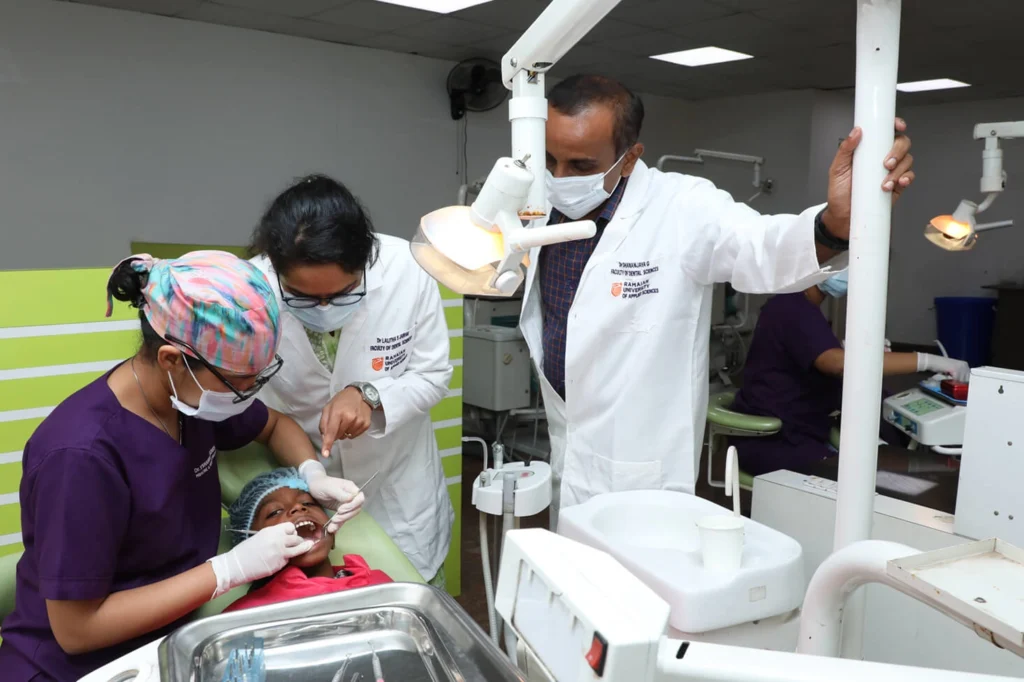
Dentists and hygienists educate patients during visits. They provide tailored advice based on your specific needs. Their expertise guides you in implementing effective dental care practices at home. They also offer insights into new technologies and treatments. These professionals advocate for preventive care and make dental visits informative and beneficial.
Community Programs and Education
Community programs spread awareness about dental health. Schools, libraries, and health organizations host workshops and classes. They focus on teaching preventive measures. Through these programs, you learn alongside your community. These initiatives enhance access to dental education. They provide resources and tools for maintaining oral health.
Conclusion
In summary, education is central to preventive dentistry success. By learning about dental care, you empower yourself to make informed decisions. From understanding dietary impacts to developing good habits, education makes a difference. As you embrace education, you contribute to a future with fewer dental problems. Engage with community resources and professionals to stay informed. This knowledge translates into healthier, happier smiles for you and your loved ones.