
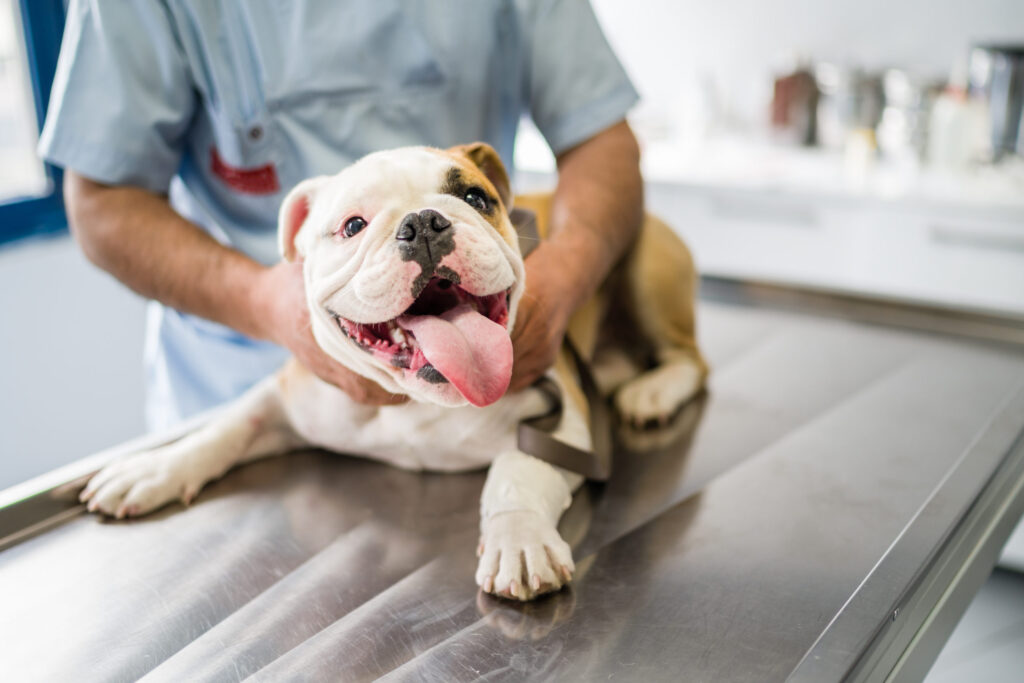
Why Spay And Neuter Programs Are Central To Animal Clinics
Spay and neuter programs are crucial for animal clinics. These procedures help control pet populations and improve animal health. When you spay or neuter your pet, you reduce the risk of certain cancers and improve behavior. At clinics, these programs save countless lives. Fewer animals end up in shelters, leading to fewer animals being euthanized. Every community benefits from these efforts. A West Palm Beach veterinarian might tell you that spaying or neutering is a key part of responsible pet ownership. Preventing unwanted litters reduces strain on resources and improves quality of life for animals and people alike. Clinics prioritize these programs to support pet well-being. You help your pet and your community by participating in spay and neuter services. Reach out to your local clinic and learn how you can contribute to creating a better future for all animals. It’s a simple but powerful step.
Understanding the Importance
Spay and neuter programs address the root of overpopulation. By preventing unwanted litters, these programs reduce the number of animals entering shelters. This is vital because many shelters face overcrowding. With fewer animals to care for, resources can be allocated more effectively. This practice also minimizes the number of animals euthanized. By participating, you directly impact the life of your pet and the broader community.
Health Benefits for Pets
Spaying or neutering your pet has significant health benefits. For instance, spaying females eliminates the risk of uterine infections and reduces the risk of breast tumors. Neutering males prevents testicular cancer and decreases the likelihood of prostate problems. These procedures also reduce certain undesirable behaviors. Male pets often become less aggressive and mark their territory less frequently. Female pets will not go into heat, which can be stressful for both pet and owner.
Community Benefits
Spay and neuter programs extend benefits beyond individual pets. They help reduce the number of stray animals, which can pose health and safety risks. Strays may carry diseases, get into traffic accidents, or cause disturbances in neighborhoods. By controlling the population, communities experience fewer of these problems. Additionally, taxpayers save money when there are fewer animals to shelter. According to the ASPCA, millions of taxpayer dollars go toward animal control and shelter programs each year. Spaying and neutering can significantly reduce these costs.
Making a Difference: The Numbers
| Aspect | Impact Before Spay/Neuter | Impact After Spay/Neuter |
|---|---|---|
| Number of Strays | High | Significantly Lower |
| Animal Shelter Overcrowding | Severe | Reduced |
| Taxpayer Cost | High | Reduced |
How to Get Involved
Getting involved in spay and neuter programs is simple. Many clinics and organizations offer these services at reduced costs, making it accessible for everyone. You can start by contacting your local veterinarian or animal clinic for advice. They can guide you on the best time for your pet to undergo the procedure. Also, consider supporting local animal welfare organizations that provide these services. Volunteering or donating can help extend their reach and save more lives. The Humane Society provides resources and support for spay and neuter programs nationwide.
Educational Outreach
Education plays a crucial role in the success of spay and neuter programs. By raising awareness, communities can better understand the importance and benefits. Clinics often hold workshops or informational sessions for pet owners. These events provide valuable information on the procedure’s benefits and what to expect. Increased awareness fosters a culture of responsible pet ownership, leading to widespread participation.
Conclusion
Spay and neuter programs are central to animal clinics for many compelling reasons. They improve pet health, reduce shelter overcrowding, and benefit communities at large. By taking part in these programs, you help create a safer, healthier environment for both pets and people. Consult your local veterinarian to learn more about how you can participate. Together, we can make a meaningful difference in the lives of animals and the well-being of our communities.