
 By
By 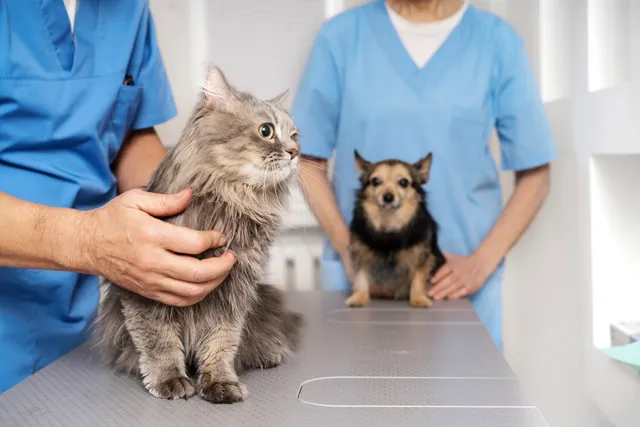
Urgent care plays a crucial role in supporting general veterinary practices. Picture this: Your pet suddenly falls ill or gets injured, and immediate care is needed. That’s where urgent care steps in, offering immediate relief and support. A veterinarian in Gulf Breeze, Fl, understands this necessity. You often rely on your primary vet for routine check-ups and preventive measures. However, when emergencies happen outside regular hours, urgent care provides a lifeline. It bridges the gap, ensuring your pet gets the timely attention it needs. This collaboration allows general veterinary practices to focus on ongoing care without being overwhelmed by emergencies. Meanwhile, urgent care facilities handle pressing situations with expertise and compassion. They work hand in hand with your regular vet, sharing insights and updates to ensure continuity of care. This seamless partnership keeps your pet’s health on track and gives you peace of mind knowing help is always available.
Understanding Urgent Care in Veterinary Medicine
Your regular vet is essential. They know your pet’s history, habits, and needs. But emergencies don’t follow a schedule. That’s where urgent care shines. These facilities are equipped to handle unexpected situations like accidents, sudden illnesses, or severe symptoms. They provide immediate care when your primary vet is unavailable. Such services are crucial for timely interventions. The staff at urgent care centers are trained to manage a wide range of emergencies. They stabilize pets, determine the severity of the situation, and decide on necessary treatments. This immediate response can prevent conditions from worsening.
How Urgent Care Supports General Veterinary Practices
Urgent care and regular veterinary practices share a common goal: keeping your pet healthy. They achieve this in different but complementary ways. Regular vets focus on preventive care like vaccinations and dental cleanings. They monitor chronic conditions, ensuring long-term health. Urgent care, on the other hand, tackles unexpected issues. This separation of roles benefits both sides. General vets can concentrate on comprehensive care without being overwhelmed by emergency cases. Urgent care centers alleviate the pressure on regular vets, offering pets the immediate care they need when timing is critical.
Benefits of Urgent Care
- Availability: Most urgent care centers offer extended hours, ensuring your pet receives care when your regular vet is closed.
- Immediate Attention: Quick response times can make a significant difference in outcomes.
- Expertise: Staff are experienced in handling emergencies, ensuring your pet receives quality care.
Comparison Between General Veterinary Practices and Urgent Care
| Criteria | General Veterinary Practices | Urgent Care Centers |
|---|---|---|
| Operational Hours | Standard business hours | Extended hours, including weekends |
| Type of Care | Routine, preventive, and chronic care | Emergency and urgent situations |
| Focus | Long-term health and wellness | Immediate intervention and stabilization |
When to Visit Urgent Care
Recognizing when to seek urgent care is key. Situations warranting urgent attention include severe vomiting, difficulty breathing, or trauma from accidents. Other signs include sudden changes in behavior, uncontrolled bleeding, or seizures. If you’re ever unsure, it’s best to err on the side of caution. Urgent care centers can evaluate your pet’s condition and provide the necessary care. This timely intervention can prevent further complications, safeguarding your pet’s health.
Collaborative Approach
The relationship between urgent care and general veterinary practices is built on collaboration. Vets and urgent care providers often communicate to ensure your pet’s care is seamless. They share medical records and treatment plans, allowing both parties to stay informed and make the best decisions for your pet. This cooperation ensures continuity of care, preventing any gaps in treatment. Both facilities aim to provide the best possible outcomes for your pet.
Where to Find More Information
If you want to learn more about veterinary urgent care, consider visiting the American Veterinary Medical Association for resources and guidance. They provide useful information about what to do in emergencies and how to prepare for unexpected situations. Additionally, UC Davis Veterinary Medicine offers insights into when to seek urgent care for your pet and what to expect during a visit.
In conclusion, urgent care is a valuable part of the veterinary community. It supports general veterinary practices by handling emergencies and providing immediate care. This collaboration ensures your pet receives the attention it needs, regardless of the time or situation. Remember, understanding when to seek urgent care can protect your pet’s health and well-being.






Comments