
 By
By 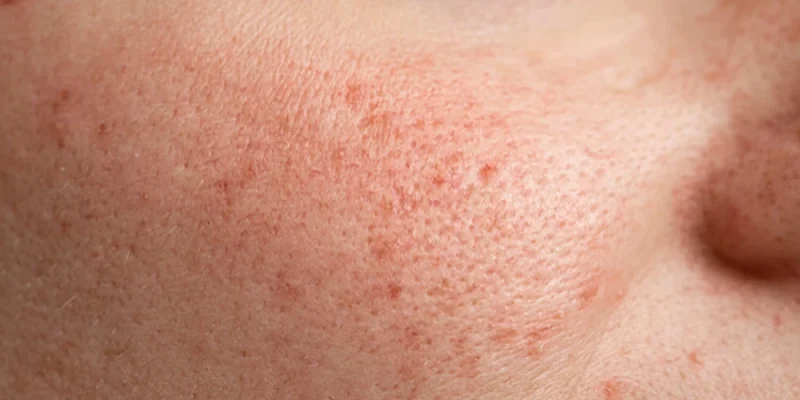
Many people in Britain notice their complexion suffers during periods of high psychological pressure. This visible link between emotional wellbeing and physical skin health is more than just anecdotal.
Research underscores this connection. A survey quoted by Patient found that 90% of healthcare professionals agree that feeling very stressed can worsen various skin conditions.
When the body endures prolonged tension, it often responds with inflammation. This internal reaction can manifest through noticeable symptoms on the surface, such as acne or eczema flare-ups.
Understanding this impact is the first step toward effective management. This guide explores how emotional strain affects the dermis and provides actionable solutions for those seeking relief.
By addressing the root causes of pressure, individuals can better safeguard their complexion from hormonal and environmental triggers. Long-term management focuses on holistic health.
Key Takeaways
- The connection between psychological pressure and skin issues is well-documented and significant.
- A large majority of medical experts recognise stress as a key aggravating factor for various conditions.
- Prolonged emotional strain can trigger inflammatory responses in the body, visible as acne or eczema.
- Managing one’s overall wellbeing is crucial for maintaining a healthy, resilient complexion.
- Practical strategies exist for long-term management, focusing on both causes and symptoms.
- Addressing underlying triggers offers the most robust defence against recurrent skin problems.
Understanding the Link Between Stress and Skin Conditions
Scientific understanding reveals a direct pathway from mental strain to visible dermal changes. This connection is rooted in the body’s hormonal response to perceived threats.
Physiological Impact of Stress on the Skin
When the body feels under pressure, it releases adrenaline and cortisol. These stress hormones prepare the body for action. Their regular presence, however, has a direct impact on the complexion.
Inflammation, Hormonal Fluctuations and Skin Health
The immune system can overreact to prolonged tension. This leads to inflammation. Shifting hormones affect oil production and the skin’s ability to heal itself.
How Stress Disrupts the Skin Barrier
Cortisol can weaken the skin’s natural barrier function. This disruption increases permeability. Harmful substances and environmental irritants then gain easier access, compromising health.
| Hormone | Primary Effect on Skin | Consequence | Management Tip |
|---|---|---|---|
| Adrenaline | Increases blood flow rapidly | Flushing and temporary redness | Practice deep breathing exercises |
| Cortisol | Impairs barrier integrity and lipid production | Dryness, sensitivity, and heightened reactivity | Maintain a consistent moisturising routine |
A self-perpetuating cycle often develops. Worsening symptoms increase worry, which further aggravates the conditions. Understanding how pressure can affect the skin is the first step toward breaking this pattern.
Identifying Triggers and Recognising Symptoms
Recognising the specific symptoms linked to emotional pressure can help interrupt a worsening cycle. Early identification of both internal and external factors is key to managing complexion problems effectively.
Common Skin Conditions Aggravated by Stress
Several dermatological conditions are notably sensitive to psychological strain. For instance, the British Association of Dermatologists notes that cortisol from tension can raise testosterone. This often leads to blocked sebaceous glands and acne breakouts.
Those with eczema may experience an intense itch-scratch loop. Anxiety heightens the urge to scratch, causing more irritation and damage. This perpetuates inflammation.
Psoriasis involves an immune system mistakenly attacking healthy skin cells. Periods of high tension are a well-documented trigger for painful flare-ups.
Rosacea symptoms, like flushing and redness, can also be provoked by emotional strain. The body’s reaction to internal pressure manifests visibly on the face.
Spotting these issues promptly allows for quicker intervention. Managing acne or other flare-ups early prevents them from escalating into more severe breakouts.
Scientific Evidence and Expert Insights
Findings from recent surveys and case analyses give weight to patient-reported experiences. This data moves the discussion from anecdote to validated fact.
It provides a foundation for developing more effective treatments.
Recent Research Findings and Surveys
A major survey by the National Rosacea Society offers a stark example. It found that 91% of individuals with rosacea experienced flare-ups during periods of emotional strain.
This highlights a direct correlation for a specific condition. Scientific studies consistently point to inflammation as a central mechanism.
This process explains how pressure impacts chronic issues like acne and psoriasis. Experts suggest tailoring treatments to an individual’s life circumstances.
This personalised approach can improve outcomes for sensitive skin.
Case Studies Including Insights from Surgical Arena Ltd
Clinical environments play a crucial role in management. Recent research, including insights from Surgical Arena Ltd, examines this.
Their work highlights how specialised clinical support can help patients manage flare-ups effectively. Dedicating time to understand these findings is valuable.
It helps individuals navigate the complex link between mental state and health.
| Study / Source | Key Finding | Condition Focus | Management Implication |
|---|---|---|---|
| National Rosacea Society Survey | 91% link flare-ups to emotional stress periods | Rosacea | Identify and mitigate personal triggers |
| Recent Clinical Analysis | Inflammation is a key driver in flare-ups | Acne, Psoriasis | Consider anti-inflammatory strategies in routines |
| Surgical Arena Ltd Insights | Structured clinical environments aid management | Multiple conditions | Seek professional guidance during difficult periods |
Stress and Skin Conditions UK: What the Research Reveals
A pivotal study in the World Journal of Dermatology provides concrete evidence for what many patients report anecdotally. Manolache and Petrescu-Seceleanu’s 2013 research confirms psychological pressure as a significant trigger factor for various dermatological issues.
This work helps clarify the biological pathways involved. It also raises questions about geographical variations in reported symptoms across Britain.
Regional Trends and the Role of Cortisol
The investigation underscores a strong connection between tension and disease onset. Elevated cortisol levels in the body directly stimulate sebaceous glands.
This stimulation can lead to increased oil production. Subsequently, it often causes visible inflammation on the complexion.
The role of these hormones is critical. They influence how skin cells regenerate and repair themselves after a taxing event.
Understanding how pressure can affect the dermis on a biological level aids researchers. It helps identify why certain regional trends emerge within the UK.
Persistently high cortisol is frequently linked to a weakened immune response. This makes it harder for the body to maintain a healthy epidermal barrier function.
Holistic Approaches to Managing Stress-Related Skin Issues
A holistic approach offers a powerful way to interrupt the frustrating cycle of flare-ups and worry. It moves beyond surface-level fixes to support the whole person.
This method recognises that lasting improvement in complexion health involves addressing internal triggers alongside external symptoms.
Mindfulness, Emotional Resilience and Skincare
Developing emotional resilience is a vital part of any plan for those who’re struggling with chronic conditions like eczema. As the charity Mind highlights, building this resilience helps individuals cope with external pressures.
Mindfulness techniques form a core part of this. Practices such as deep breathing can help lower cortisol levels. This improves the body’s physiological response during difficult periods.
Managing life pressures and developing emotional strength are two primary ways to foster resilience.
Combining Skincare Routines with Mental Health Strategies
Pairing a gentle skincare routine with mental health strategies creates a supportive framework. The skin is cared for while the mind finds time to recover.
If managing a condition feels overwhelming, seeking professional help is wise. This support can provide the tools needed to break the stress-skin cycle for good.
Ultimately, holistic treatments focus on improving quality of life. They address both physical symptoms and the underlying emotional roots of the issue.
Integrating Medical Advice into a Skincare Routine
Integrating professional medical advice into daily habits can transform how one manages complexion issues. This approach ensures that both the physical and emotional triggers of flare-ups are addressed effectively.
Expert guidance provides a structured framework. It helps individuals adapt their skincare practices based on scientific evidence.
Consulting Dermatologists and Expert Resources such as The Psychodermatologist
Seeking specialist input is a cornerstone of effective management. Dermatologists offer personalised advice tailored to an individual’s unique response to psychological pressure.
Resources like The Psychodermatologist are invaluable. They specialise in merging mental health support with dermatological care plans.
This expert help is crucial for understanding the impact of internal factors on the dermis. A consultation can reveal the best ways to support the body’s immune system.
Adjusting Treatments During Stress Flare-Ups
During difficult periods, the routine must adapt. The primary goal is to avoid further irritation to an already sensitised complexion.
Simplifying one’s products is often recommended. Harsh ingredients can exacerbate inflammation and disrupt the skin’s barrier.
Prioritising sleep hygiene becomes a critical part of the plan. Quality rest aids the body’s recovery and regulates cortisol production.
Incorporating mindfulness techniques can also moderate the physiological response to strain. This practice helps manage the emotional triggers that lead to physical irritation.
| Aspect of Care | Adjustment During Flare-Ups | Benefit |
|---|---|---|
| Skincare Products | Switch to gentle, fragrance-free formulations | Minimises irritation and protects the immune barrier |
| Sleep Routine | Enforce a consistent bedtime and wind-down period | Supports cellular repair and reduces cortisol production |
| Mindfulness Practice | Integrate short, daily breathing exercises | Moderates the body’s response to triggers |
| Professional Advice | Schedule a review with a dermatologist | Ensures treatments are safe and address the root impact |
Following this structured advice empowers individuals. They can maintain better dermal health even during challenging times.
Lifestyle Adjustments and Stress Management Techniques
Sustainable lifestyle changes form the bedrock of long-term dermal resilience. Effective management often hinges on specific, daily habits that support the body’s natural balance.
Key areas for focus include nutrition, rest, and physical activity.
Diet, Sleep Hygiene and Regular Exercise
A balanced diet and consistent sleep schedule are fundamental. They directly support the immune system and can reduce overall irritation.
Quality rest aids cellular repair and regulates hormonal production. Clinical teams, including those at Surgical Arena Ltd, endorse regular exercise.
This practice helps regulate hormone levels and improves circulation. Both benefits contribute to a healthier complexion over time.
Simplifying your skincare routine during taxing periods is wise. It prevents the use of harsh products that could worsen sensitivity.
Incorporating mindfulness is another effective strategy. Techniques like deep breathing can moderate the body’s physiological response.
Seeking professional advice can be a crucial part of this process. Making small, consistent adjustments offers real help.
These changes allow the complexion to recover and maintain its natural balance.
Conclusion
Ultimately, achieving a resilient complexion amidst life’s pressures is an attainable goal with the right framework. A holistic approach that blends professional advice with lifestyle adjustments offers the most effective path forward.
Specialist resources, such as The Psychodermatologist, provide invaluable help for those seeking to understand the emotional roots of their dermal concerns. This forms a critical part of a comprehensive management plan.
Prioritising foundational habits like sleep, nutrition, and mindfulness can significantly lower cortisol levels and support the immune system. Consistency in your skincare routine with gentle products prevents irritation and manages the body’s response over time.
Remember, you do not have to navigate this journey alone. Expert guidance is available to support hormonal production balance and steer you towards clearer, calmer skin.





Comments